
When President Gerald Ford recognized Black History Month in 1976, he declared it an “opportunity to honor the too-often neglected accomplishments of Black Americans in every area of endeavor throughout our history.”
The month continues to be a time to celebrate the accomplishments of Black Americans. In doing so, however, it’s also important to consider the many racial inequities that still exist throughout our society. The field of dentistry is no exception.
In honor of Black History Month, this is the first of three blogs focused on the role of Black Americans in dentistry.
A Persistent Imbalance
It’s been more than 150 years since the nation’s first Black American student graduated from dental school, yet there remain wide disparities in racial and ethnic diversity across the profession. Compared to the overall U.S. population, Black Americans are sorely underrepresented among dentists — they make up 12.4% of the country’s population, but just 3.8% of dentists. Meanwhile, White Americans comprise 60% of the U.S. population and 70.2% of the nation’s dentists.
It is a long-running issue. The population-to-dentist ratio for Black Americans has remained virtually unchanged for nearly two decades. In 2005, Black Americans comprised 12.2% of the population and 3.7% of dentists.
The factors that contribute to these gaps are complex and many. In higher education, Historically Black Colleges & Universities (HBCUs) are essential to increasing diversity among healthcare professionals. HBCUs produce a large proportion of the nation’s Black dentists, yet only two such schools offer doctoral degrees in dentistry. Howard University School of Dentistry in Washington, D.C., was established in 1881 and Meharry Medical College School of Dentistry in Nashville, Tenn., was established in 1886.
A Critical Role in Reducing Health Disparities
Meharry Medical College alone is responsible for graduating an estimated 40% of the nation’s Black dentists, according to the college’s Office for Research and Innovation. Like Howard and other HBCU graduates, many of Meharry’s dental school graduates go on to work in underserved communities.
Black dentists play a critical role in helping to reduce healthcare disparities that disproportionately affect people of color. They are more likely to treat non-White races, ethnicities and people from disadvantaged communities. As a result, they shoulder a disproportionate share of the burden of caring for these communities.
Black dentists treat 61.8% of Black patients, while White dentists treat just 10.5%, Hispanic dentists treat 9.8%, and Asian dentists treat 11.5%. In addition, 63% of Black dentists treat Medicaid or Children’s Health Insurance Program (CHIP) patients, compared to 43% of dentists overall and 39% of white dentists.
These statistics illustrate the lack of diversity within the dental field and the importance of closing those gaps to help ensure more equitable oral health for all communities nationwide.
Our next blog will examine the vital contributions of five key Black dentists in history.
Related Articles

Benevis Spotlights Dental Inequities and Poverty's Impact on Oral Health
Posted on: July 8, 2025
Benevis' new white paper reviews dental health equity for children, adolescents, and adults with evidence that overwhelmingly demonstrates how poverty casts a long shadow over children's smiles, creating profound and persistent dental health disparities into adulthood.
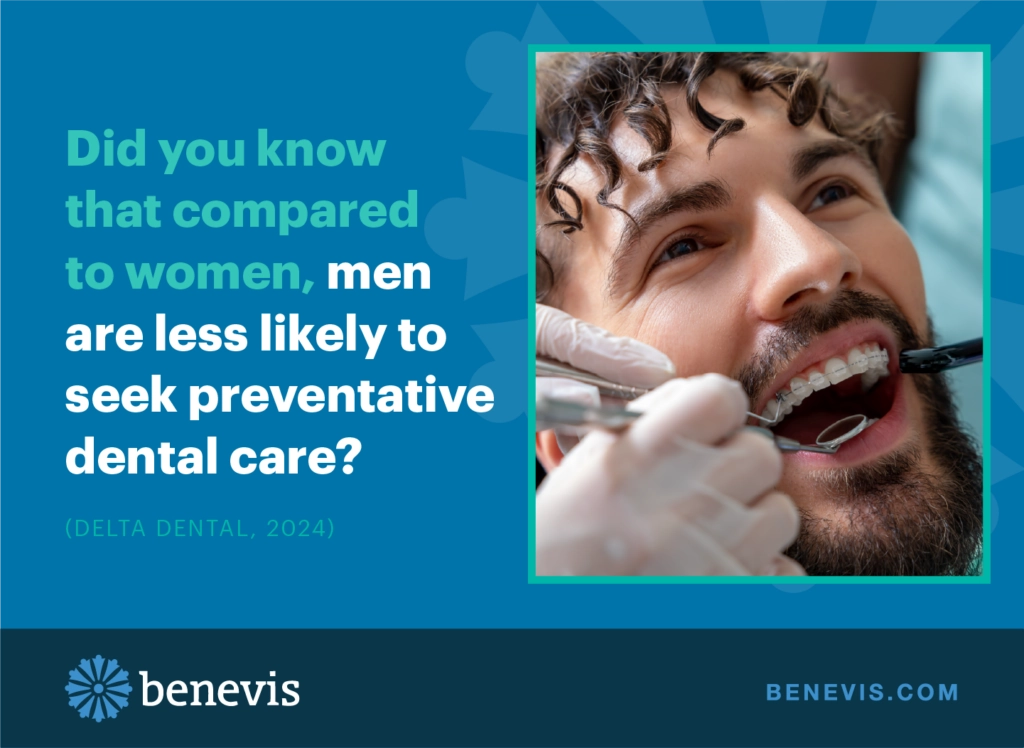
Benevis Raises Awareness of Oral Health Challenges Facing Men this Men's Health Month
Posted on: June 4, 2025
Benevis recognizes Men's Health Month by advocating for greater awareness of the increased oral health risks men face due to their lifestyle choices, social drivers of health, and sex and gender identity.
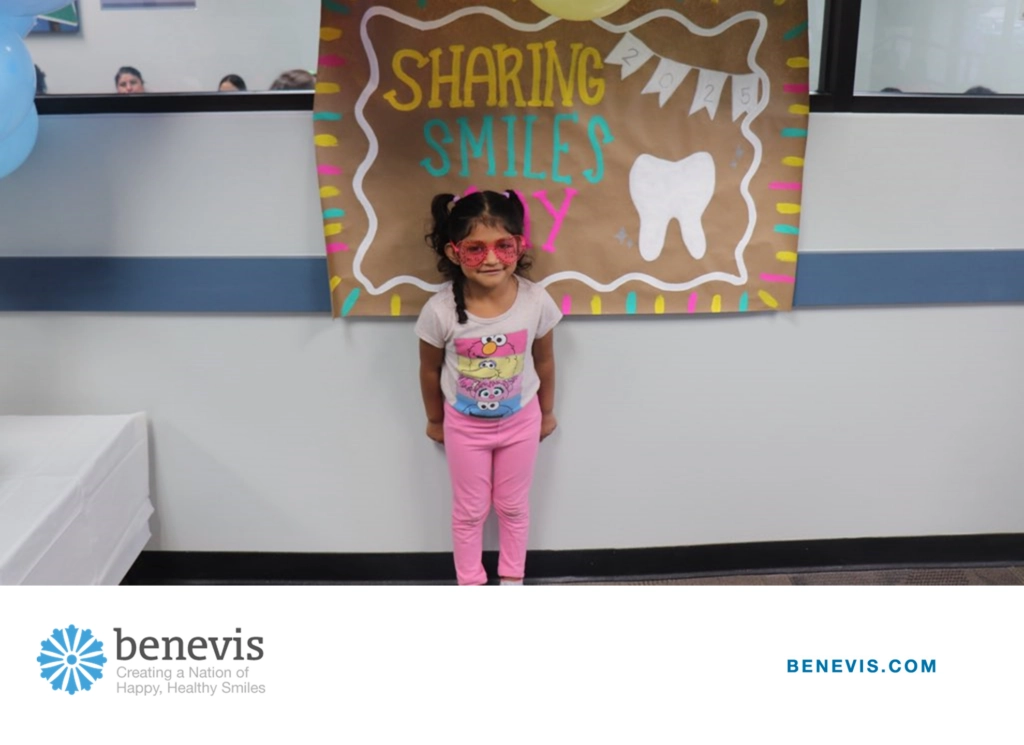
Benevis Celebrates Decade-Long Impact of Delivering Free Dental Care to Over 3,800 Uninsured Children and Adults During Sharing Smiles Day
Posted on: May 28, 2025
Benevis volunteers have positively impacted the oral health of more than 3,800 uninsured and underinsured patients during Sharing Smiles Day. This year marked the 10th anniversary of the annual event with 22 Benevis’ supported practices in 11 states participating who dedicated their time to serve over 400 children and adults.